




 experience matters
From sales to support, from voice to digital, our best-in-class customer experience blends AI-first technology and human interactions. Customer First, Human Always.
 experience matters
TTEC builds your customer experience around your business priorities. With the right balance of human and digital interactions, we deliver happy customers at an optimized cost.
 experience matters
As a CX partner to the world's leading brands, TTEC serves millions of customers every day in 6 continents, across 80+ contact centers, in over 50 languages.
CX solutions as unique
as your brand.
Custom built to solve your specific challenges.




Transformational managed services combining front-line knowledge and AI insight.
Learn More

CX solutions as unique
as your brand.
Custom built to solve your
specific challenges.






















When it comes to your customers, only the best will do.
We combine leading technology partnerships
and the CX expertise to enable your success.

Customer support helps slash wait times by 97%
TTEC empowered a health benefits company to handle more calls, better and faster.
READ THE CASE STUDY
Messaging saves the day with faster support and increased productivity
Faced with high call volume, a major bank deployed an AI-powered messaging solution, successfully deflecting calls, increasing employee productivity, and improving CSAT.
READ THE CASE STUDY
CX insights for every
step of your journey.
Learn what we've learned from a resource
library that's as agile as we are.
Designing for CX: Start with the plan
4 ways to orchestrate
amazing customer
journeys

Don't stop at
journey maps

5 digital transformation
strategies for right now
Building for CX: End-to-end possibilities
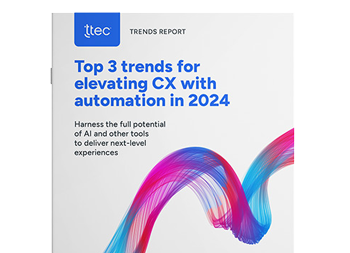
Top customer service
AI and automation trends

The ultimate sales conversion highlight reel
WATCH THE SERIES
High-tech goes all-in on contact center cloud
READ THE ARTICLEOperating for CX: Elevate experiences
The ROI of CX outsourcing
DOWNLOAD THE REPORT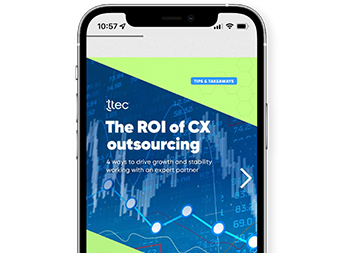

Voice of the customer best
practices and strategy

Want to reach more customers? Get better at texting them
READ THE ARTICLE
CX insights for every
step of your journey.
Learn what we've learned from a resource
library that's as agile as we are.
Designing for CX: Start with the plan
Building for CX: End-to-end possibilities
Operating for CX: Elevate experiences
4 ways to orchestrate
amazing customer
journeys
Don't stop at
journey maps
Top customer service
AI and automation trends
The ultimate sales conversion highlight reel
WATCH THE SERIESThe ROI of CX outsourcing
DOWNLOAD THE REPORTVoice of the customer best practices and strategy
READ THE ARTICLE

Globally
The agility of small. For 40 years, our business has been helping companies make their customers happy. We serve millions of customers every day in 6 continents, across 90+ centers, in over 50 languages with our 64,000+ employees.